The topic of god is personal to each person. All of our stories are different, and no matter our religion or lack thereof, my stance is that as long as we don’t hurt others, it doesn’t really matter what we practice. I am sharing my story not to try to convince you to take my view, but offering a single perspective in the discourse of religion.
I grew up in a Bhuddist household. From the age of 8-12, I learned to read and write in Vietnamese classes that were offered at a temple. The first thing the other students and I did before Sunday class was bow and prayed to Buddha and Guanyin, the Goddess of Mercy. The Bhuddist nuns and teachers were kind to me. I made friends, so I didn’t mind waking up early on a Sunday. As a kid, I didn’t think much of it. Coming to temple was something that I just did. My parents wanted me there, so there I was. I later became part of the temple’s traditional dance group. Temple, for me, was a place to socialize.While not religious, I’ve always had high regard for places of worship due to the attentiveness and love that permeated such places. I have a special place in my heart for Buddhism and its practices because it is closely connected to my childhood. I was indeed a temple kid, and when I talk about that part of my life, the pleasant memories always make me smile.
I started thinking critically about religion when I entered high school. A series of events led me spiraling into an existential crisis that never really ended: I had to do a double take when a Christian friend of mine stated that all non-Christians will go to hell; another friend of mine told me that she is now Catholic because all Bhuddists go to hell. In AP World History, I learned about the Jewish God and his wrath and jealousy. I thought why would a God be jealous? Shouldn’t I be judged based on my goodness? Why would a terrible person who believes in God get to go to heaven and I don’t? Couldn’t God make exemptions? The Crusades, which was a bloodbath in the name of the one true religion, didn’t make sense to me. Shouldn’t religion be about peace? The more I thought the more questions emerged. Why would people believe in religious books that were written by other people? Couldn’t they think for themselves? Don’t religious traditions and beliefs benefit a particular group of people more than another?
In college, I read the works of the greatest minds in European Intellectual History. Karl Marx stated that “religion is the opium of the people.” While I have other opinions on communism and its political practicality, what Marx said about religion isn’t wrong. People who are socially and economically oppressed utilize religion as a balm for their pain. They justify their plight on karma and fate, being blinded to the true power structures that keep them oppressed. For instance, the Hindu caste system, which keeps people in their caste, is more political than religious. It ensures that the ruling class continues to rule. It seems to me that religion is the biggest scheme in the history of humanity.
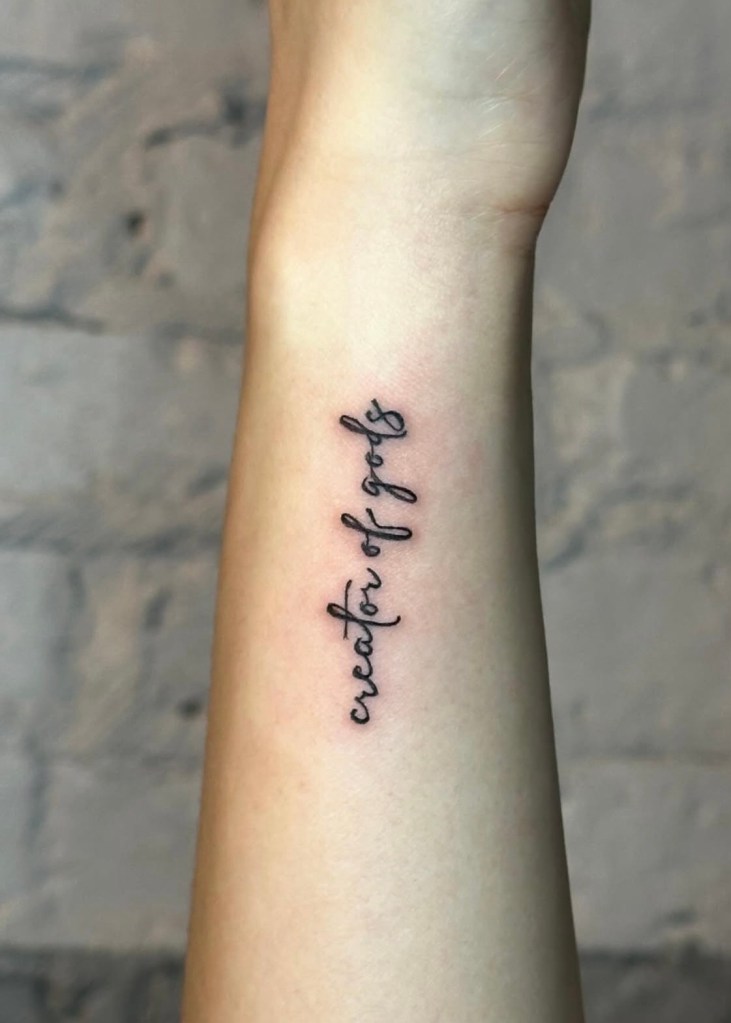
So how does a person who doesn’t believe in doctrinal religions go through life? Well, before I answer that, I need to mention that it is not an easy path. For a lot of people, religion serves as an anchor. When life gets tough, they know where to find guidance. My guide is myself. In this storm of life, I have to be my own anchor. While it is frightening, it is also empowering. According to the French philosopher, Jean-Paul Sarte, “we are radically free to choose our own actions, and this freedom is both a blessing and a burden.” Sartre also believed that life has no inherent meaning. While this is a frightening thought, it is also empowering. Out of all the human thoughts to exist, the most frightening one is the idea that there is no God. If there is no God, then what do we do? Is our existence meaningless? No. We have the ability to give our lives meaning. We become the God in our own life. Our existence is what we make it. How wonderful and freeing is that?
 Nguyet Mai
Leave a comment